London Sanctions: Britain freezes assets of 15 Sudan war leaders
The UK government imposed travel bans and financial restrictions on officials from both warring factions one year after the fall of El Fasher.
By Patrick Murphy ·
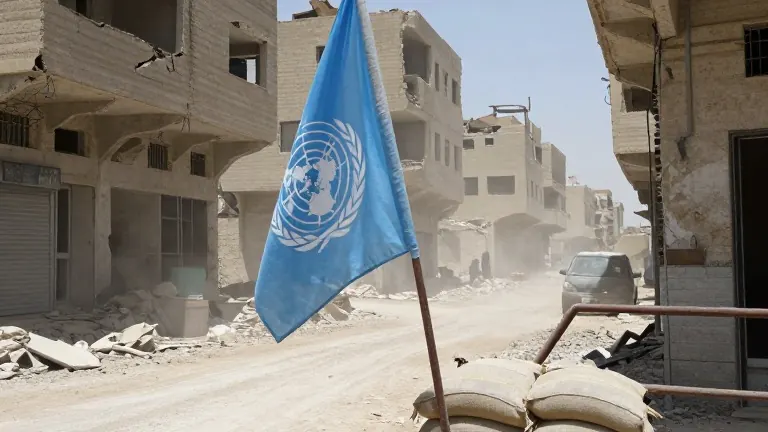
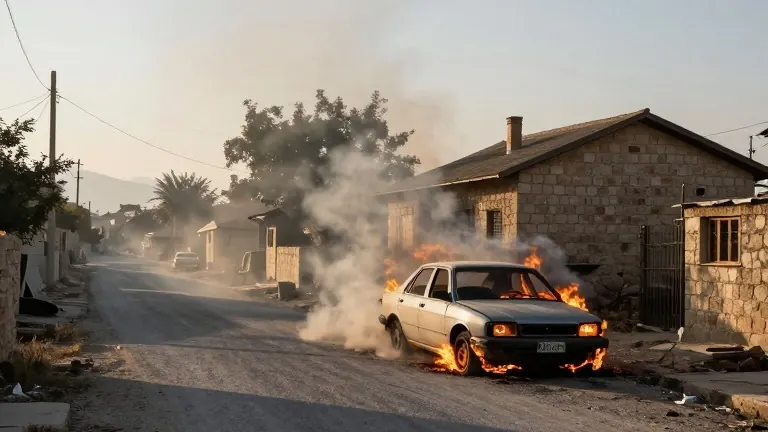
British Foreign Secretary Ed Miliband announced sanctions against 15 Sudanese military commanders, militia leaders, and security officials on Monday. The measures target individuals from both the Rapid Support Forces and the Sudanese Armed Forces accused of committing war crimes during the fall of El Fasher. The sanctions include asset freezes and travel bans for those involved in sexual violence, torture, and attacks on civilians.
The decision followed the release of UK-funded reporting by the Centre for Information Resilience. That investigation documented a campaign of systematic starvation and conflict-related sexual violence against civilians in Sudan. The UK Foreign Office stated that the goal is to ensure the events in El Fasher are known to the world. Miliband said that perpetrators of crimes against humanity must be held accountable and that external support for the warring parties must end.
Among those sanctioned is Hussein Abu Jalak, an RSF colonel linked to atrocities during the siege. The list also includes Al-Nour Ahmed Adam, known as al-Qubba, who played a prominent role in besieging and attacking the city. The UK government noted that these actions occurred one year after El Fasher became a focal point of the war, where civilians faced prolonged sieges, mass killings, and hospital attacks. Miliband described the conflict as a humanitarian catastrophe, stating that rape and starvation remain weaponized against the Sudanese people.
London has allocated five million pounds, or $6.6 million, to support survivors of sexual violence in Sudan. The country also committed another 10 million pounds, or $13.3 million, in humanitarian aid. These funds accompany the sanctions package aimed at addressing the fallout from the conflict. The sanctions mark a specific diplomatic response to the anniversary of the city's fall and the recent investigative findings regarding civilian treatment.
The civil war began in April 2023. Since then, tens of thousands of civilians have been killed, according to Amnesty International. The organization also reports that 14 million people have been displaced from their homes. The new sanctions target leaders from both sides of the conflict, rather than just one faction. This approach reflects the UK's assessment that both groups committed serious violations during the siege of El Fasher. The financial restrictions prevent the sanctioned individuals from holding assets in the UK or conducting business there.
Ed Miliband emphasized that the sanctions are part of a wider effort to maintain pressure on the warring factions. The UK Foreign Office released the details of the package on Monday. The measures apply immediately to the 15 named individuals. The sanctions follow earlier diplomatic efforts to resolve the conflict. The focus on El Fasher highlights the specific timeline of abuses that occurred during that year-long siege. The UK government will monitor compliance with the travel bans and asset freezes.
The sanctions were announced alongside a statement on the humanitarian situation in Sudan. Miliband said the UK-funded investigations provided evidence of ongoing abuses. The Centre for Information Resilience played a key role in gathering that data. The UK aims to use the sanctions as a tool for accountability. The financial impact on the 15 officials is expected to limit their international movement and economic activity. The package includes both military and security figures. The list covers senior and mid-level leaders from both the RSF and the Sudanese Armed Forces.
Source: Al Jazeera