Reporter dies in Lebanon as photojournalist survives strike
Amal Khalil died in al-Tiri on April 22, while Zeinab Faraj was trapped under rubble for hours before paramedics pulled her free.
By Megan Scott ·
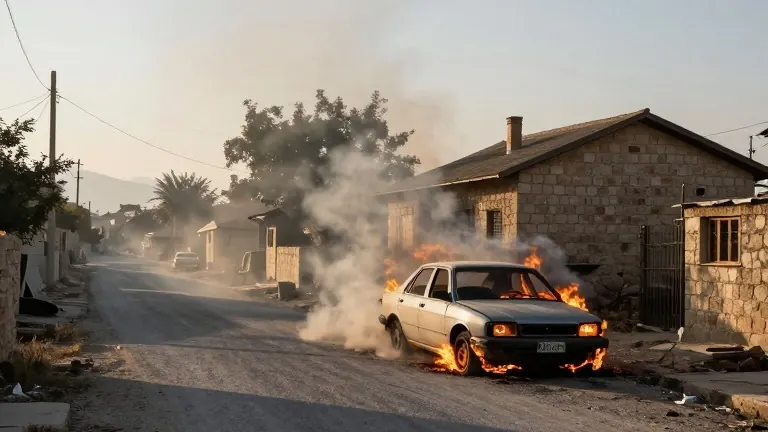
A ceasefire in Lebanon had ended a month of intense airstrikes, yet violence continued in the south.
On April 22, 2026, a missile struck a convoy in the village of al-Tiri, killing one journalist and injuring another.
Amal Khalil, a 42-year-old newspaper reporter, died from her injuries. Zeinab Faraj, a 21-year-old photojournalist, survived after being pinned under rubble.
The two women had traveled south to document the aftermath of the war. They joined a car carrying Ali Nabil Bazzi, a 27-year-old municipal official, and Mohammed Hourani, 37, a friend of the mayor.
The group met at Tebnine governmental hospital, a hub for civilians seeking safety. Bazzi planned to sign a marriage contract that evening but joined the trip anyway.
A missile hit the lead vehicle, setting it on fire. Faraj and Khalil exited their car to check on the others. Drones then descended low over the scene.
Faraj described the drones hovering close to her face, forcing her to cover up only for them to fly back up. Emergency services told them to drive, but a second missile struck their car as they attempted to re-enter it.
The impact threw the women backward. Khalil wrapped her arms around Faraj, hoping the drone would assume they were dead. They took shelter in a nearby house.
Khalil had visible blood on her face, hand, and leg. Faraj sent a final message to her sister: "There's no hope left. Forgive me." Her phone then died.
While sitting on the bathroom floor, Faraj watched the road. A drone suddenly descended, causing her heart to stop. She retreated inside, feeling detached and alone.
A missile fell with a sound Faraj described as unlike anything she had ever heard. She lost consciousness and woke up trapped under rubble, struggling to breathe.
A paramedic reached the site and held her shoulders. Faraj clung to him, saying, "Don't leave me. I'm afraid to stay alone." A second paramedic cleared the debris while drones circled overhead and a stun grenade was dropped nearby.', "The ambulance carried Faraj to a hospital. She asked about Khalil, and the nurses fell silent when the reporter had died. Khalil was believed to have died about an hour before rescue teams returned to the area.', "The Israeli military stated they targeted saboteurs violating the ceasefire. Human rights groups called the strike a war crime. Military officials had previously shared video of Khalil, labeling her "terrorist media," and she had received death threats from Israeli numbers.', "Faraj is returning to university but has visible injuries to her hand and face. A limp makes climbing stairs difficult. She wakes screaming at night, fearing a missile strike, and is haunted by the image of Hourani lying on the ground with his eyes open.
Source: The Guardian